Why Traditional Training Fails
The driver training industry has been attacking the wrong problem for decades. We keep obsessing over our content, our presentation techniques, and our evaluation methods. Meanwhile, we ignore how the human brain actually works in critical situations.
Traditional driver training makes one critical error. It assumes the problem is knowledge-based. In reality, the problem is implementation-based. We don't fail because drivers don't know the rules. We fail because their unconscious brain isn't calibrated to respect them when it matters.
Every driving safety specialist I've worked with tells me the same thing. 'Our drivers leave the course, answer the exams perfectly, and three months later they're still having the same accidents.' We keep adjusting the content. We think the problem is that we're not communicating the information well enough.
This is like teaching someone not to touch something hot by explaining the science of burns. They can understand the theory perfectly. But until their amygdala is trained to automatically pull their hand away, they're going to keep getting burned.
The reality is that all human beings operate with the same fundamental bias. We think we're good drivers and that accidents happen to others. Inside we're saying 'you're absolutely right, but that happens to others who are always distracted, they definitely need to hear this. But it doesn't apply to me, because I know how to drive.'
The work with San Diego Police taught us something revealing. The United States didn't reduce DUI by telling people it was dangerous. They reduced it by instituting consequences so severe that people started fearing the police officer, not the accident. Because inside we keep saying 'I'm a good driver, that's not going to happen to me.'
That's the key to why our approach works. Driver training that actually works doesn't focus on what they should know. It focuses on calibrating what they do instinctively when their conscious brain is busy with other things. Accidents don't happen when we're thinking about safety. They happen when we're thinking about work, problems, being late.
Training the Amygdala
That's why we developed a program that trains the amygdala - that part of the brain that automatically makes us not touch something hot, step away from a cliff, or brake when we see danger. We need to calibrate that unconscious brain to understand the consequences of our actions and to instinctively predict what can and cannot be done with the vehicle at every step along the path to losing control, so we don't expose ourselves to unnecessary risk.
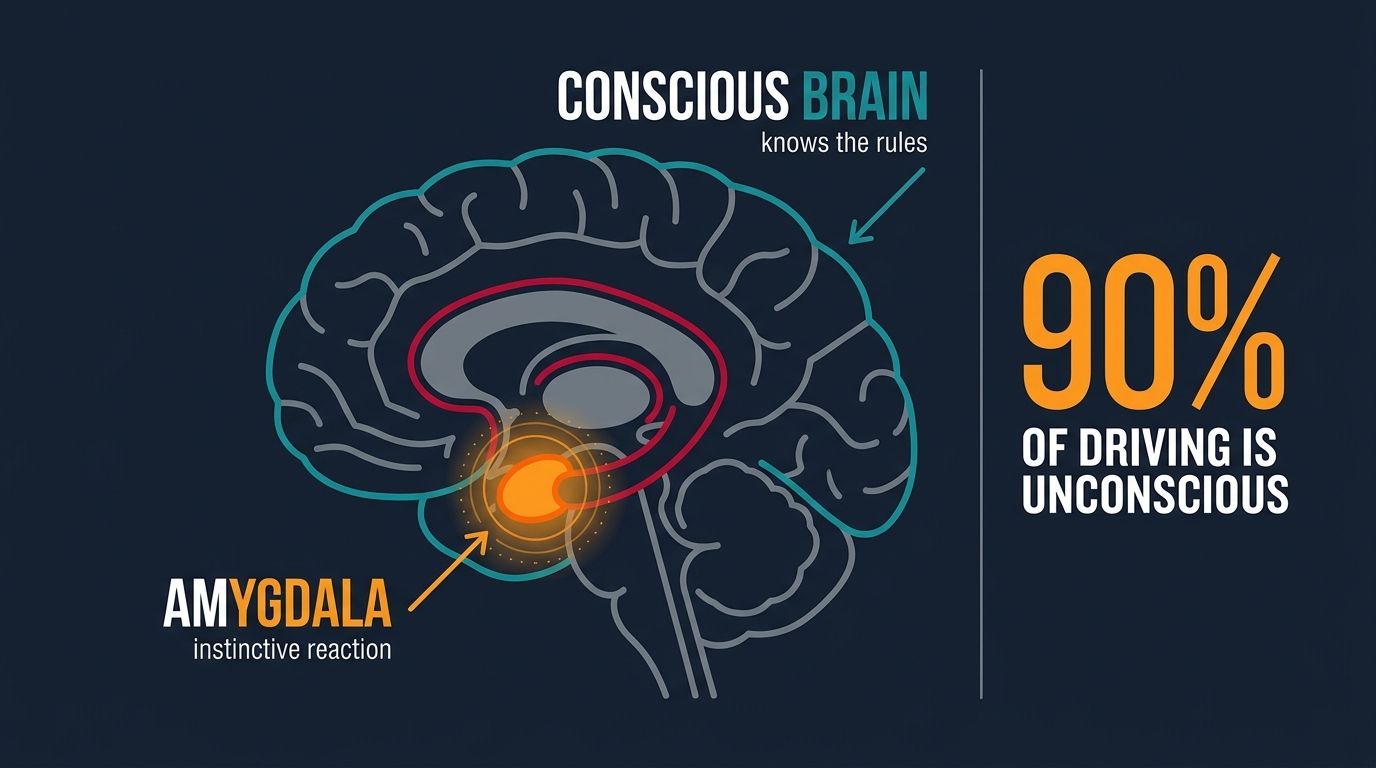
And the only way to achieve this is through experimentation. To learn to make good decisions we have to experience what a bad decision causes and train that anticipatory brain response that prevents us from making it. This is what we call trained judgment - that unconscious capacity we develop to evaluate risk and act accordingly.
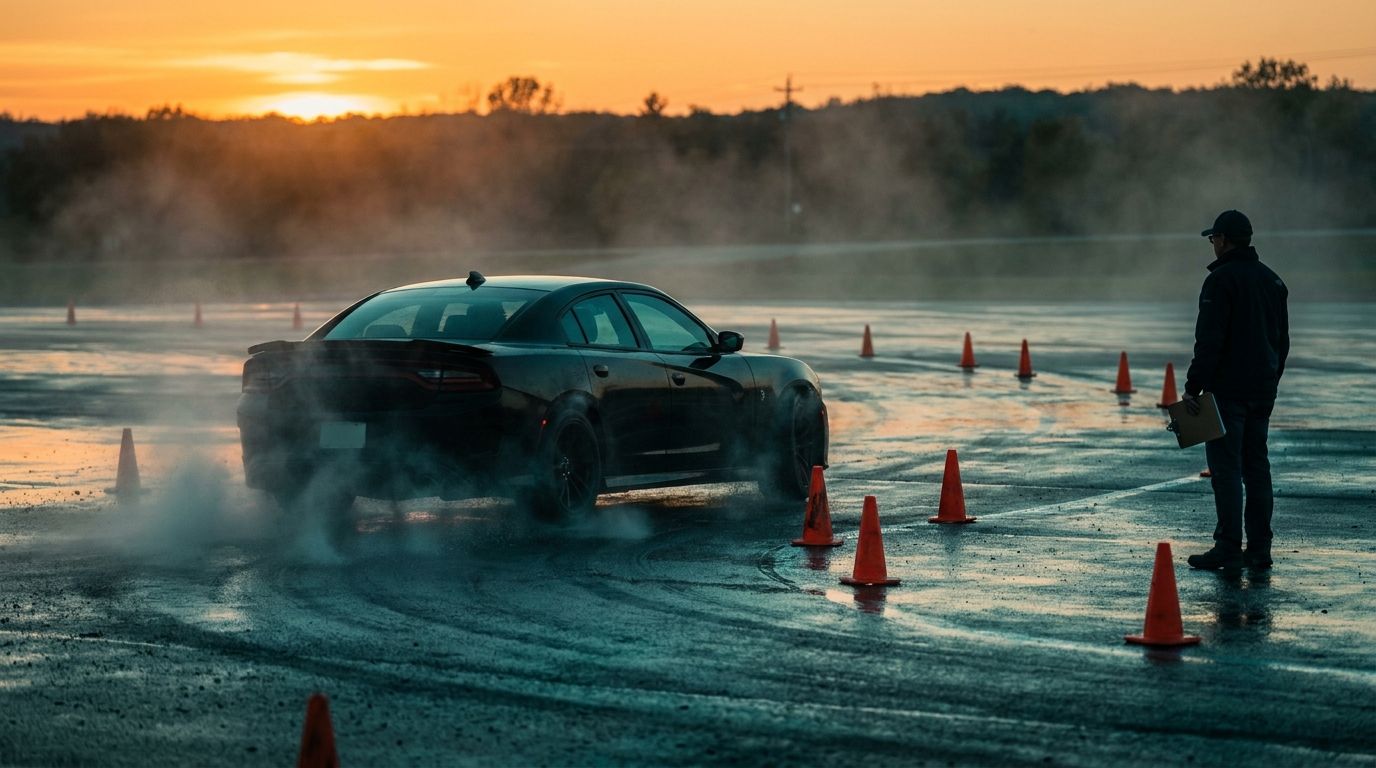
A driver can experience in a controlled manner what happens when they lose control of the vehicle. They viscerally feel that sequence of situations that takes them to the limit. Their unconscious brain then develops a new reference point. It's no longer theory. It's muscle memory. It's trained instinct.
Training the amygdala isn't advanced training theory. It's recognizing how human decision-making really works. The unconscious brain is what's driving the vehicle 90% of the time. Until the industry understands that, we're going to keep spending millions on training that sounds good on paper but doesn't reduce accidents in reality.
What Trained Judgment Means
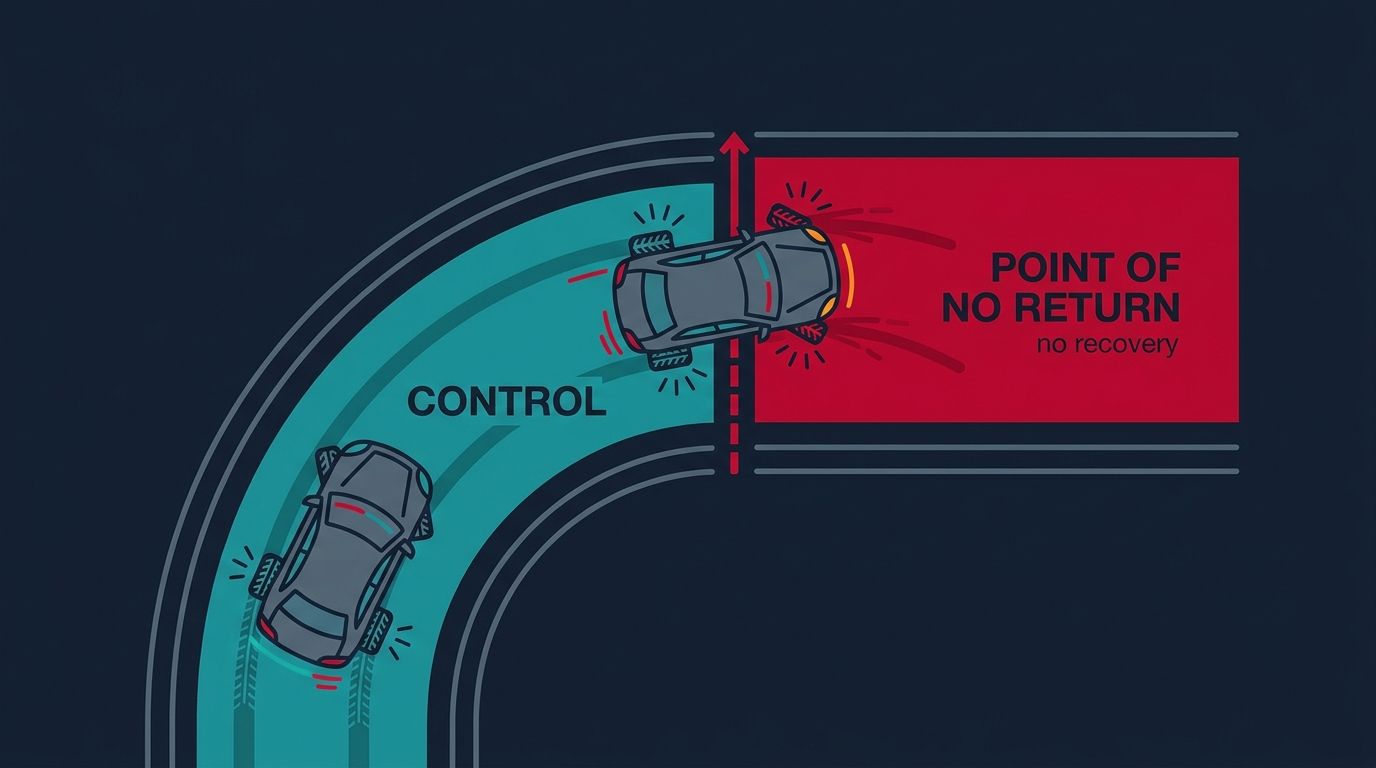
Trained judgment isn't developed with information. It's developed with controlled experience that teaches the brain what to fear and what to respect. When we achieve this, drivers start making different decisions knowing that when they lose control, they're not going to recover it. Knowing that when they reach the limit, there's nothing beyond that point.
This is the difference between theoretical training and real training. One tells you what to do. The other trains you to do it automatically when your life depends on it.