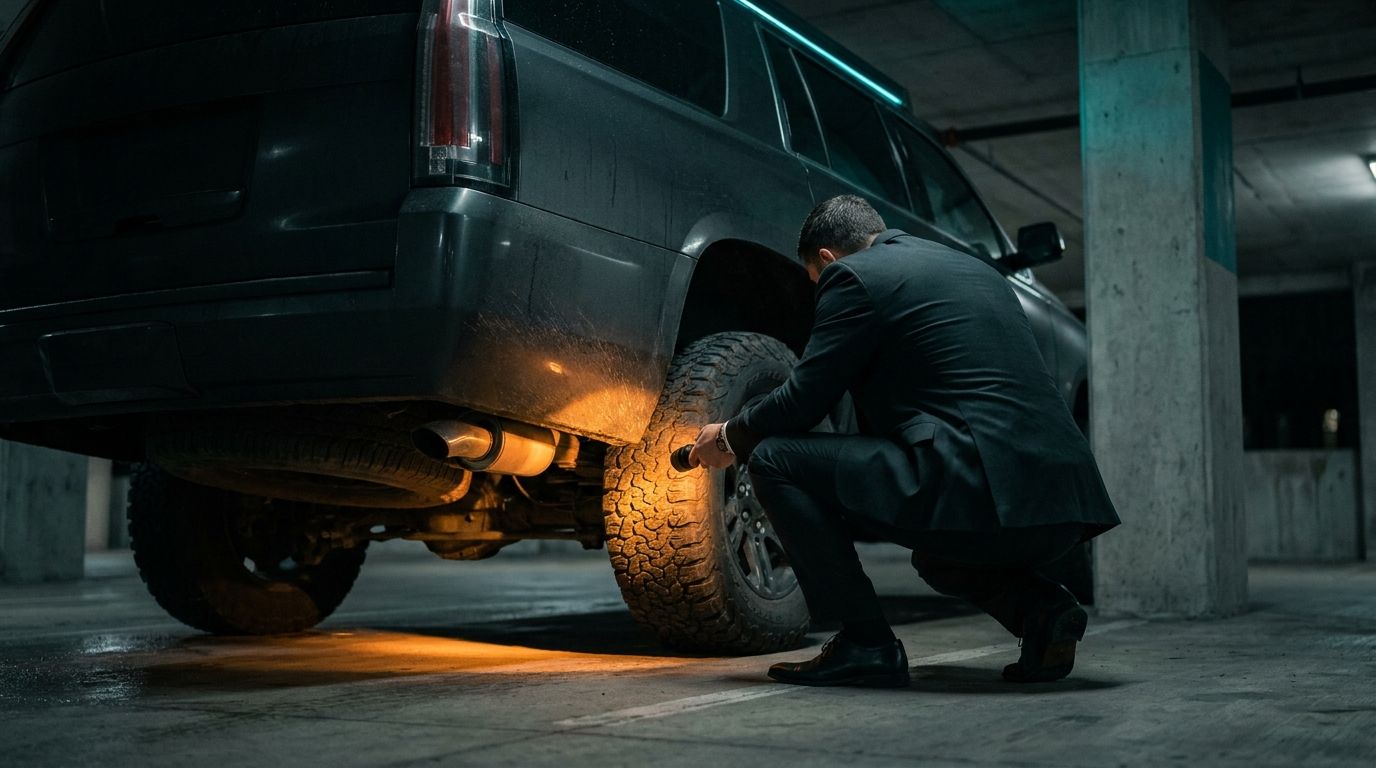
Many articles on vehicle inspection explain what is essential and the methodology for carrying it out. Still, in reality, they have little effect. These checks are very seldom carried out in a timely manner. So I will not go into the regular "do this and not that." Instead, let me venture into the core concepts that make the vehicle inspection logic.
As Security Professionals, especially after doing an activity for a long time, we tend to think a certain way. We believe our experience, intelligence, and agility of thought are the only skills we need to handle complex situations. We call this "professional audacity." But as human beings, we fall victim to "optimism bias." When predicting what will happen to us tomorrow, next week, or fifty years from now, we overestimate the likelihood of positive events. We underestimate the possibility of adverse events. This is just human nature.
For security professionals, vehicle inspection has to do with customer service in most cases, yet they can become essential to prevent an attack; however tedious, checklists are crucial to any process that requires reliability, especially when lives are at stake.
In a study performed in Scotland, since their implementation in 2008, checklists reduced surgery mortality rates by 37%.
Checklists should be general and organized by subject. For example, the primary vehicle inspection checklist should include a first aid kit. It should not include the kit's contents. That would require a separate checklist. If the checklist becomes too long, it usually gets neglected.
Sabotage and Signs of Tampering
- What are the common signs, and what to do about them?
There are several types of sabotage or vehicle tampering. The most common does not have to do with explosives or mechanical sabotage to cause an accident. Instead, they are used to get the driver to stop the vehicle. This allows criminals to commit a crime or to create a diversion that buys time for an attack. These include:
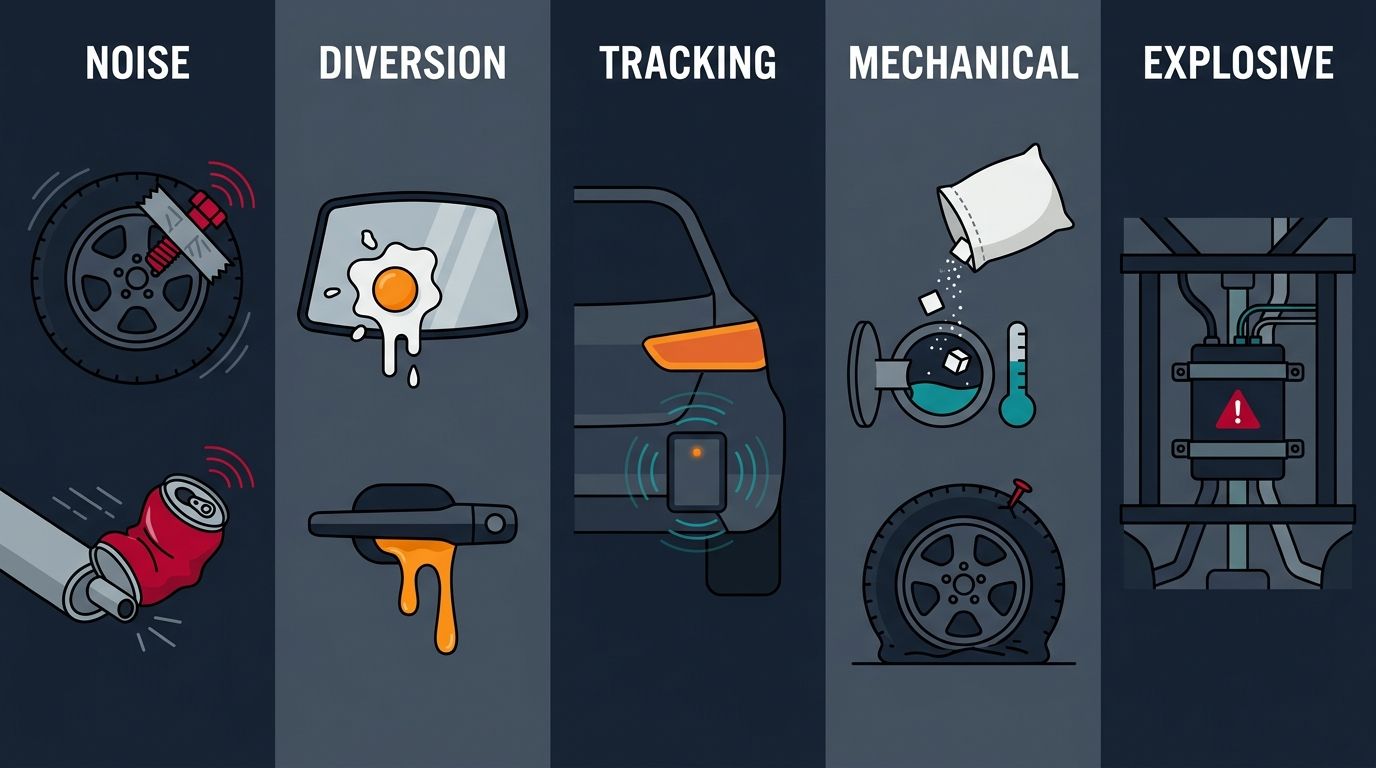
Noise devices: these are any devices that would cause the driver to stop and exit the vehicle to check on a weird noise. Criminals use bolts duct-taped to the inside of the wheel. They also use soda cans stuck into the exhaust pipes. These devices are usually very creative but harmless. They are easy to spot during a vehicle inspection.
Diversion tactics: Some criminals use these to create a distraction. The goal is to force the driver to spend more time than usual next to a stationary vehicle. Examples include egg whites on the windshield or sticky substances on the door handles. These are hard to get rid of. They are usually very successful in diverting the driver's attention from anything going on in their surroundings.
This could be a prank. It could also be a mechanism to get your attention away from what you are supposed to do. Assuming both possibilities will give you an advantage over the situation. Get away from that vehicle and orient yourself before making a decision. This is essential to your success.
Tracking devices: these used to be big, bulky, and easy to spot. The batteries needed to power them were big and heavy. These have changed over time. Now, Apple Tags and other tracking devices can be easily hidden. They are much more challenging to find. Routine sweeps must be performed to find these. Fortunately, Apple Tags usually notify people around them if they are trying to broadcast their location. So a simple iPhone can be used as a bug sweeper. Unfortunately, this is not the case for all trackers.
Mechanical Sabotage: there are many ways of messing with a vehicle, some of them are easy to spot, like a flat tire, but some of them are harder to detect and could have different goals, such as stopping the vehicle or causing an accident. Fortunately, cars are very sensitive to tampering, and sensors will alert you if something is wrong with your car; what you do next will determine your success or failure. Some tampering is not that easy to detect, for example, sugar in the gas tank, which will make your vehicle stop within a few miles from the point of tampering; again, all these tactics are used by criminals to stop the vehicle.
Explosive devices: This is the most unlikely of all. It is more something that happens in the movies. Yet it has happened in real life. It is always a possibility depending on your principal's risk. So if your risk assessment shows a risk of an assassination attempt, then looking for any foreign devices on the vehicle is a must. Anything from a soda cup left on top of the vehicle to anything that just does not fit could be a threat. Knowing your vehicle is key to finding anything that might have changed while doing your inspections.
Safety In and Around EP Vehicles
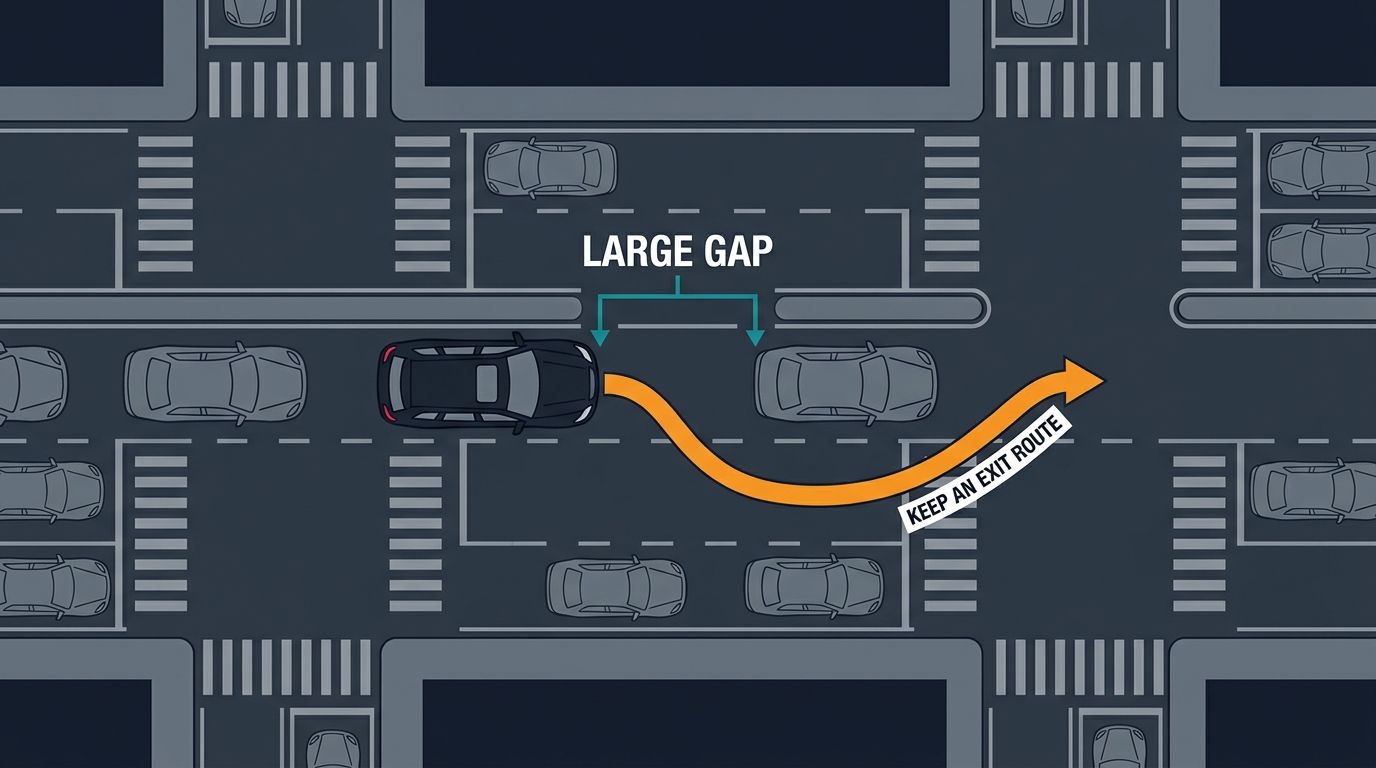
- Never remain in a stationary vehicle. Statistically, the most dangerous place in the world is a stationary vehicle. As a Protection Professional, you must be aware of one fact. Once your car is immobilized, your options are limited to submission or fighting. The former is the best bet under normal circumstances. If the vehicle stops, you have already lost.
Under this premise, you must orient your decisions always to leave an exit route and limit your time on a stationary vehicle to the absolute minimum.
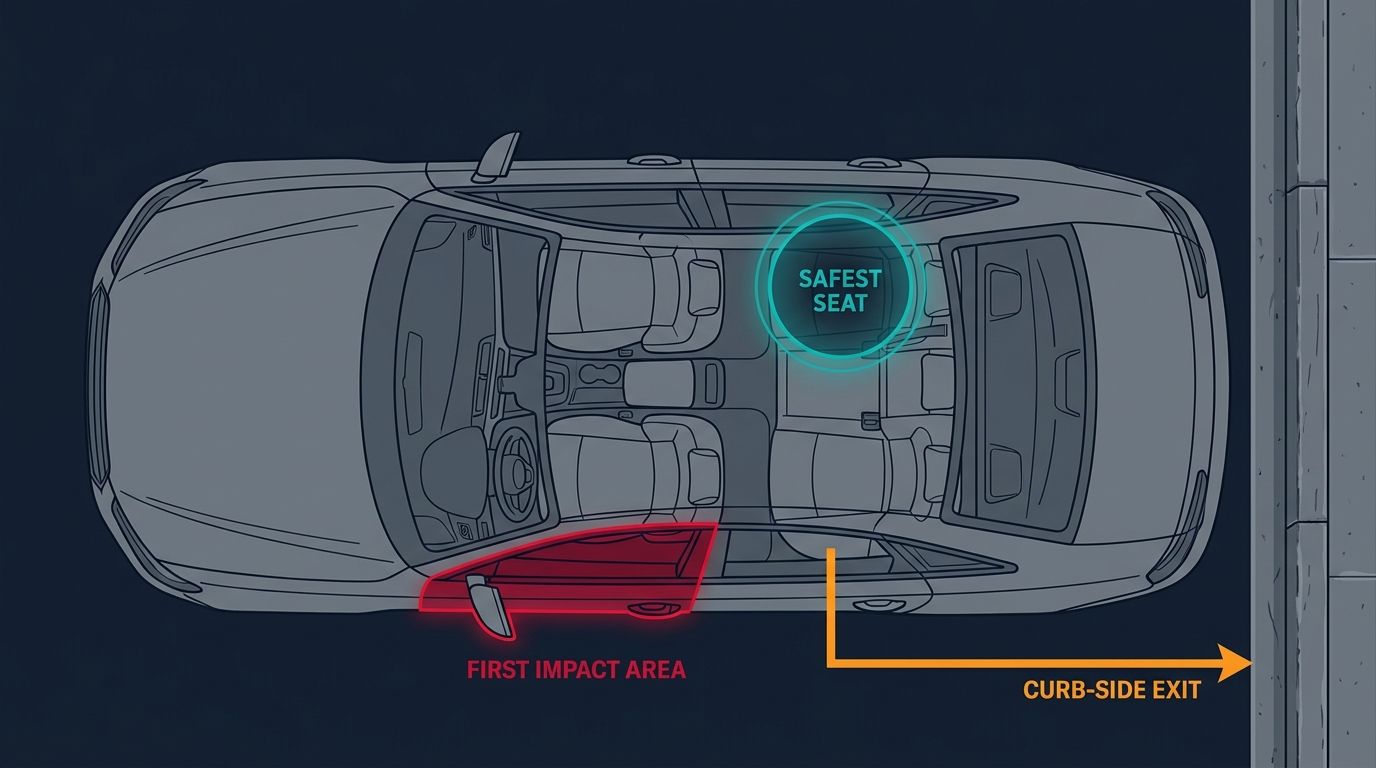
- The safest place for your principal in the vehicle is the back seat on the right side.
This place is furthest from the first impact area, usually the driver's door. If a criminal wants to harm you or your principal, his first task is immobilizing your vehicle. Therefore, neutralizing the driver is usually a priority.
This seat is also the closest access to the curb, allowing minimum exposure and minimizing stopped time.
- Control your vehicle's surroundings: know where your vehicle has been and who had access. The more you can control this, the easier it will be to avoid unexpected manipulation.
- Avoid valet parking when possible; they have unrestricted access to your vehicle, and anything contained in it.